

Writing Warm Ups
All Blogs
SOAPSTone Explained: A Simple AP Lang Reading Tool
What is SOAPSTone in AP Lang? Learn this simple reading comprehension tool for identifying the speaker, occasion, audience, purpose, subject, and tone of a rhetorical text. A clear, concise guide for AP Lang students.
Writing Warm-Up: When Everyone Thought Something Was True
How do we know when something is actually true? Explore the story of Copernicus and the once widely accepted belief that the Sun revolved around Earth in this engaging critical thinking writing warm-up for middle school students.
Writing Warm-Up: What Does “To What Extent” Mean?
Help students understand “to what extent” essay questions with this quick, engaging writing warm-up. Designed for middle school and high school students, this activity introduces nuanced thinking, moves students beyond simple yes-or-no answers, and gives teachers an easy way to practice argumentative writing and critical thinking in the classroom.
Colleges Are Bringing Back the SAT and ACT: What Rising Seniors Need to Know
For the past few years, test-optional admissions made standardized tests seem optional—maybe even irrelevant. But that era is shifting. More colleges are returning to test-required or test-encouraged policies, and for rising seniors, this change creates both uncertainty and opportunity.
Here's what's actually happening, why colleges reversed course, and why you don't have to panic. If you're a rising senior, you actually have something most students don't: time. You can take a practice test on Bluebook this week just to see what you get—no commitment, no stakes. Then decide.

How to Teach Students to Write Strong Theme Statements
Learn how to teach students to write strong theme statements using simple sentence structures, analytical verbs, and abstract thinking. This guide helps students move beyond summary into deeper reading comprehension, critical thinking, and meaningful analysis.

The Hidden Factor in Choosing a College: Who You’ll Be Around
When students choose a college, they are not only choosing classes, majors, or career opportunities. They are also choosing the people, conversations, values, and environments that will surround them during one of the most formative periods of brain and identity development. This article explores the psychology of peer influence, social environments, and why finding a college community you genuinely admire can shape who you become.
Social Fitness: Why Friendship, Conversation, and Human Connection Are Skills We Build
In today’s digital world, many students spend hours online yet still feel lonely, anxious, or disconnected in real-life social situations. This article explores the idea of “social fitness” — the understanding that friendship, conversation, confidence, and emotional resilience are skills that develop through practice, discomfort tolerance, and repeated human connection, much like physical fitness.

SAT Grammar Rules to Memorize: A Complete Guide to Mechanical Grammar
SAT grammar becomes much easier when students learn the mechanical rules behind sentence structure, punctuation, agreement, modifiers, and clarity. This complete guide breaks down the most important SAT grammar rules with clear examples.

Why Students Should Never Pull All-Nighters: What Sleep Actually Does for Learning, Memory, and the Brain
Sleep is one of the most important biological processes for learning, memory, emotional regulation, and brain development. Discover the science behind why students should never pull all-nighters and how sleep directly impacts academic performance and mental health.

The Developing Brain: Why Kids Struggle With Learning, Frustration, and Emotional Regulation
Children are not miniature adults. Their brains are still developing the systems responsible for emotional regulation, abstract thinking, planning, and frustration tolerance. Understanding child development can transform the way parents and teachers support learning, behavior, and confidence.

What To Do If Your Child Is Doomscrolling
Phones and social media are not just “bad habits” — they are highly engineered systems designed to capture attention. In this article, we explore the neuroscience and cognitive science behind doomscrolling in kids, how it impacts attention and development, and what parents can do to help compassionately and effectively.
What Does It Mean to "Appeal" — and Why Your AP Lang Essay Depends on the Answer
You've heard the terms: ethos, pathos, logos. You can define them. But when your AP Lang teacher asks you to analyze how a writer appeals to their audience, do you actually know what that verb means? Most students label the appeal and move on. The ones who score a 6 understand the mechanism underneath it. Here's the difference.

How to Stay Focused and Confident in a Competitive School
In competitive schools, it’s easy to get distracted by comparison. But your performance depends less on who’s around you and more on where your attention goes.

Your Test Is Tomorrow. Here’s What to Do (If You Have to Cram)
Your test is tomorrow and there’s too much to cover. Here’s how to study in a way that actually works without burning out or pulling an all-nighter.
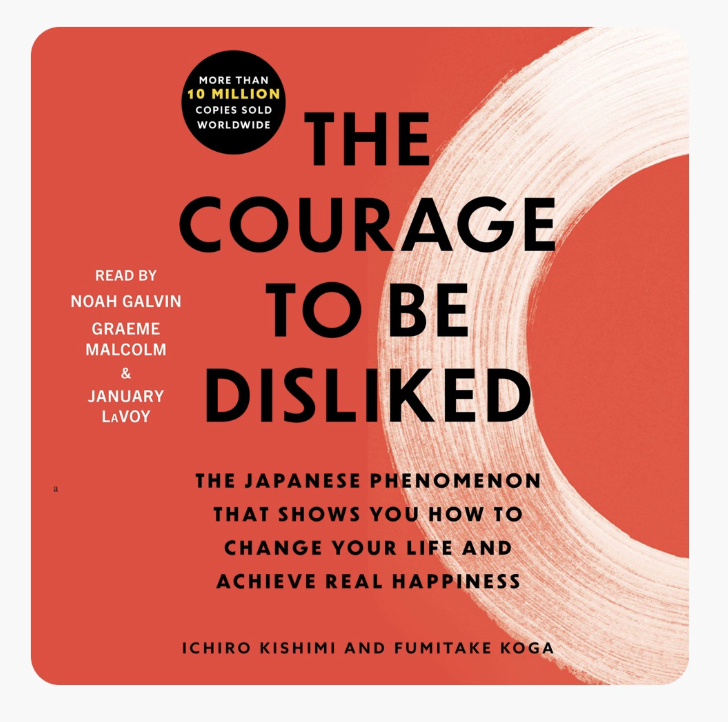
Adlerian Psychology in Education: What The Courage to Be Disliked Teaches Teachers About Motivation
How does Adlerian psychology apply to education? This article explores what The Courage to Be Disliked reveals about student motivation, intrinsic learning, and why autonomy and responsibility matter in classrooms.
Why Making Your Own Study Guide Is the Most Effective Way to Learn
Most students think studying is about reviewing notes. In reality, learning happens when you create them. Here’s why making your own study guide is the key to real understanding.

Why You Should Still Take the SAT Even If Colleges Are Test Optional
Test-optional does not mean test-irrelevant. As grade inflation rises and AI tools reshape the college application process, the SAT may be becoming more important again.
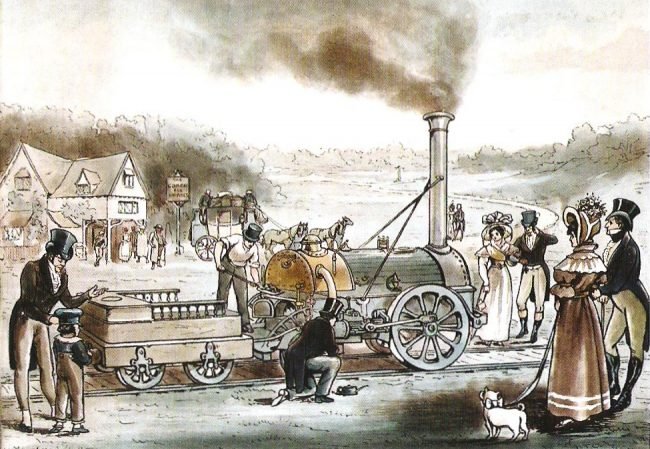
When the Future Feels Uncertain: A History Critical Thinking Warm-Up
A quick critical thinking warm-up where students analyze a primary source from the Industrial Revolution and reflect on how people react when new technologies change the world. Then they connect those reactions to today’s rapidly evolving technologies like artificial intelligence.

Why Too Much Information Makes Truth Harder to Find
In an age of misinformation and information overload, how do we know what’s true? This essay explores Hannah Arendt’s warning about propaganda, the cognitive limits of attention, and why the scientific method offers a powerful mindset for critical thinking and truth-seeking.
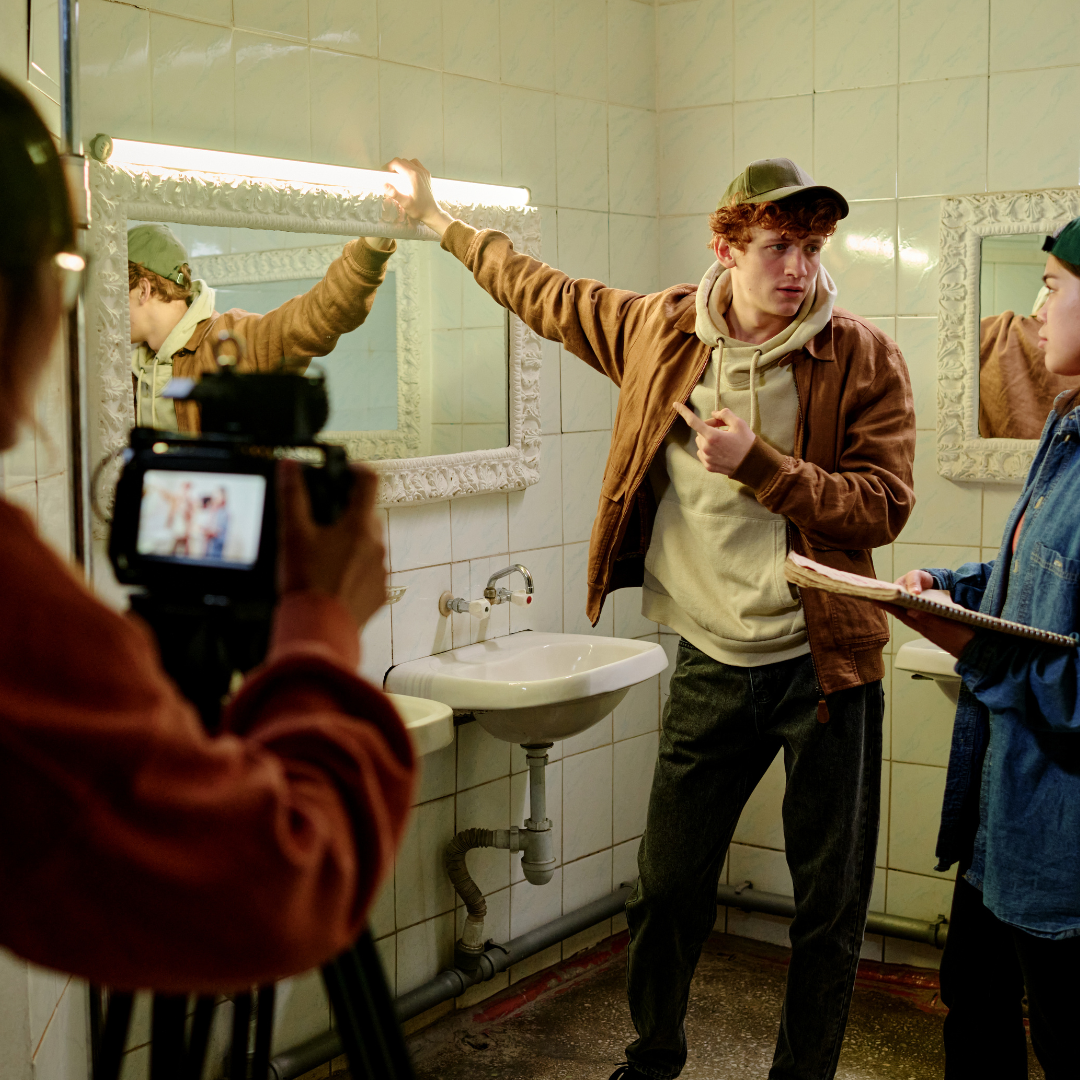
Online Tutor for Homeschool and Student Actors: Flexible, Rigorous, and Supportive Learning
Families searching for an online tutor often need flexibility without sacrificing rigor. This article explains what to look for in an online tutor for homeschool students and student actors, emphasizing self-reliance, high expectations, patience, and personalized learning. Drawing on eight years of experience and a cognitive science background, MyTotalTutor supports students with nontraditional schedules while helping them learn how to learn and succeed independently.
How do we know when something is actually true? Explore the story of Copernicus and the once widely accepted belief that the Sun revolved around Earth in this engaging critical thinking writing warm-up for middle school students.